Advantages of Sustainable Nylon Yarn in Modern Textile Production

The textile industry faces increasing pressure to adopt sustainable practices. One key innovation is sustainable nylon yarn. This material offers significant benefits over traditional nylon. It reduces environmental impact while maintaining high performance. I explore the advantages of sustainable nylon yarn and why it matters for textile manufacturers worldwide.
Why Choose Sustainable Nylon Yarn?
Sustainable nylon yarn addresses critical environmental concerns linked to conventional nylon production. Traditional nylon relies heavily on fossil fuels and emits large amounts of greenhouse gases. Sustainable nylon yarn uses recycled materials or bio-based inputs, cutting down on resource consumption and pollution.
Manufacturers benefit from:
Lower carbon footprint: Using recycled nylon reduces emissions by up to 80% compared to virgin nylon.
Resource efficiency: It conserves water and energy during production.
Waste reduction: It diverts plastic waste from landfills and oceans.
High durability: Maintains strength and elasticity, suitable for demanding applications.
Switching to sustainable nylon yarn aligns with global sustainability goals. It also meets growing consumer demand for eco-friendly products. This yarn supports circular economy principles by enabling nylon recycling and reuse.
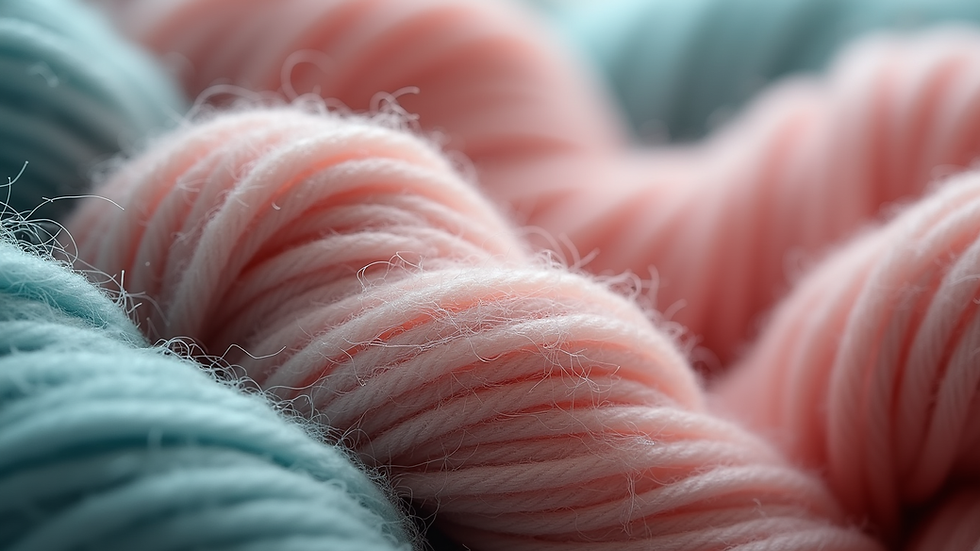
Technical Benefits of Sustainable Nylon Yarn
Sustainable nylon yarn does not compromise on quality. It offers technical advantages that appeal to textile manufacturers and brands:
Consistent performance: Recycled nylon fibers retain mechanical properties similar to virgin fibers.
Versatility: Suitable for apparel, industrial textiles, automotive fabrics, and more.
Moisture management: Nylon’s natural moisture-wicking ability remains intact.
Color retention: Holds dyes well, ensuring vibrant and long-lasting colors.
Lightweight and strong: Ideal for high-performance textiles requiring durability without bulk.
These features make sustainable nylon yarn a practical choice for diverse applications. It supports innovation in fabric design and functionality.
What is recycled nylon yarn?
環保紗 refers to yarns produced with environmental considerations. This includes using recycled materials, reducing chemical use, and minimizing waste. Sustainable nylon yarn is a prime example of recycled nylon yarn. It embodies eco-conscious manufacturing while delivering superior textile performance.
The production process often involves:
Collecting and sorting nylon waste such as fishing nets or fabric scraps.
Cleaning and processing waste into usable fibers.
Spinning fibers into yarn with minimal chemical additives.
Employing energy-efficient machinery and renewable energy sources.
This approach reduces the environmental footprint of nylon yarn production. It also supports sustainable supply chains and responsible sourcing.
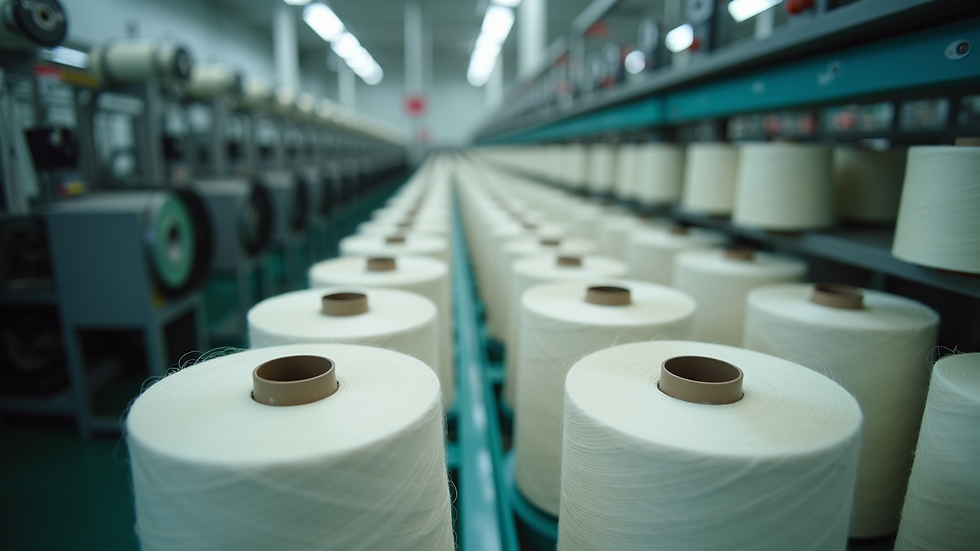
Environmental Impact Reduction
Sustainable nylon yarn significantly lowers environmental harm compared to traditional nylon. Key impacts include:
Reduced greenhouse gas emissions: Recycling nylon cuts emissions by up to 80%.
Less water usage: Production uses less water, conserving this vital resource.
Waste diversion: Nylon waste is repurposed instead of discarded.
Lower energy consumption: Efficient processes reduce electricity needs.
Decreased reliance on fossil fuels: Bio-based or recycled inputs reduce dependence on petroleum.
These benefits contribute to cleaner production and help companies meet regulatory requirements. They also enhance brand reputation by demonstrating environmental responsibility.
Practical Recommendations for Manufacturers
To integrate sustainable nylon yarn effectively, manufacturers should:
Assess supply chain: Identify reliable sources of recycled or bio-based nylon.
Test yarn quality: Ensure yarn meets technical specifications for intended applications.
Collaborate with suppliers: Work closely to optimize yarn properties and delivery.
Educate design teams: Promote awareness of sustainable yarn benefits and uses.
Communicate sustainability: Highlight eco-friendly materials in marketing and product labeling.
Adopting sustainable nylon yarn can differentiate products in competitive markets. It also supports long-term business resilience by aligning with evolving environmental standards.
Future Outlook for Sustainable Nylon Yarn
The demand for sustainable textiles continues to grow globally. Innovations in recycling technology and bio-based materials will further improve sustainable nylon yarn. Manufacturers who invest in these advancements position themselves as industry leaders.
Sustainable nylon yarn offers a pathway to reduce environmental impact without sacrificing quality. It supports circular economy models and meets the technical demands of modern textiles. As the industry evolves, this yarn will play a crucial role in shaping a more sustainable future.
For those interested in exploring options, 環保尼龍紗線 represents a promising solution that combines eco-friendliness with high performance.
Sustainable nylon yarn is more than a trend. It is a necessary evolution in textile manufacturing. By embracing this material, manufacturers can achieve environmental goals and deliver superior products. The advantages are clear - from reduced emissions to enhanced durability. The future of nylon yarn is sustainable, and the time to act is now.


Comments