Understanding Nylon Yarn: A Guide for B2B Buyers in the Textile Supply Chain

Nylon yarn plays a crucial role in the global textile industry, serving as a versatile material for a wide range of applications. For B2B buyers involved in sourcing textile materials, understanding what is nylon yarn and how it fits into the supply chain can make a significant difference in product quality, cost efficiency, and delivery reliability. This guide provides a comprehensive overview of nylon yarn from the perspective of global buyers, helping you make informed decisions when selecting suppliers and negotiating contracts.
What Is Nylon Yarn and Why It Matters to B2B Buyers
Nylon yarn is a synthetic fiber made from polyamide polymers. It was first introduced in the 1930s and quickly became popular due to its strength, elasticity, and resistance to abrasion and chemicals. Unlike natural fibers such as cotton or wool, nylon yarn is produced through a chemical process that allows for precise control over its properties.
For B2B buyers, knowing what is nylon yarn means understanding its key characteristics:
Durability: Nylon yarn is strong and resistant to wear, making it ideal for products that require long-lasting performance.
Elasticity: It stretches without breaking, which is essential for applications like hosiery, activewear, and upholstery.
Moisture Resistance: Nylon absorbs less water than natural fibers, reducing drying time and preventing mildew.
Lightweight: Despite its strength, nylon yarn is lightweight, which benefits industries such as sportswear and outdoor gear.
These features make nylon yarn a preferred choice for manufacturers of garments, industrial textiles, and technical fabrics. For global buyers, sourcing high-quality nylon yarn ensures that the end products meet performance standards and customer expectations.
Types of Nylon Yarn and Their Applications
Nylon yarn comes in various forms, each suited to different uses. Understanding these types helps buyers specify the right material for their needs.
Textured Nylon Yarn
This yarn is processed to create bulk and stretch, often used in apparel like swimwear, lingerie, and sportswear. Textured nylon yarn offers softness and elasticity, enhancing comfort.
Filament Nylon Yarn
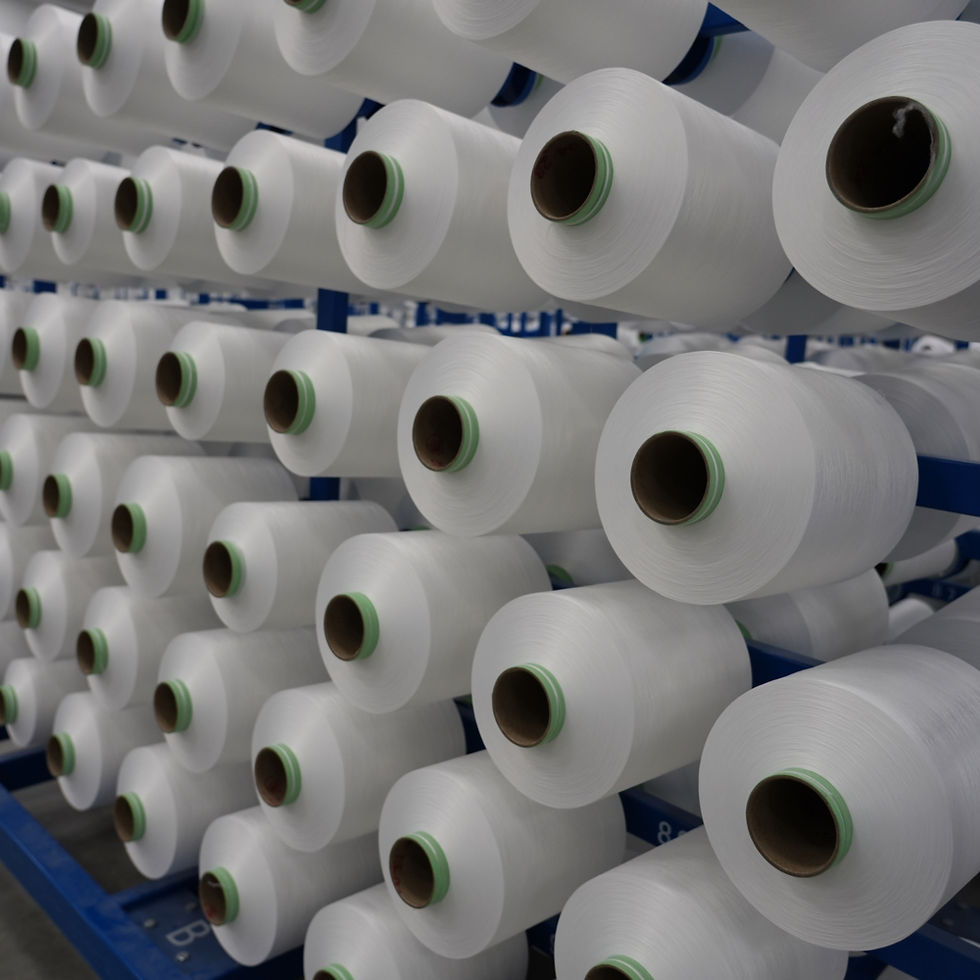
Made from continuous strands, filament yarns provide smoothness and strength. They are common in industrial applications such as tire cords, parachutes, and conveyor belts.
Spun Nylon Yarn
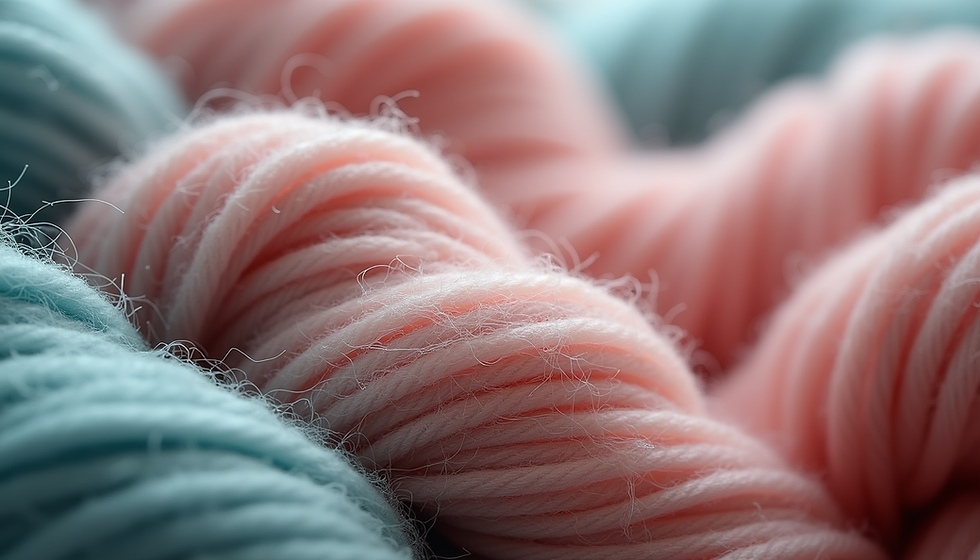
Spun yarn consists of short fibers twisted together, resembling natural yarns. It is used in knitting and weaving for fabrics requiring a soft hand feel.
Nylon Monofilament Yarn
This is a single, thick filament used in fishing lines, nets, and brushes. It offers high tensile strength and abrasion resistance.
Each type of nylon yarn has specific production methods and quality standards. When sourcing, buyers should clarify the intended application to ensure the supplier provides the correct yarn type.
Key Factors to Consider When Sourcing Nylon Yarn
Selecting the right nylon yarn supplier involves more than just price comparison. Here are critical factors B2B buyers should evaluate:
Quality and Specifications
Denier and Tex: These units measure yarn thickness. The right denier affects fabric weight and texture.
Tensile Strength: High tensile strength indicates durability.
Color Fastness: Resistance to fading during washing or exposure to sunlight.
Twist Level: Influences yarn strength and fabric appearance.
Request detailed technical sheets and samples to verify these parameters before committing to large orders.
Supplier Reliability and Capacity
Production Capacity: Can the supplier meet your volume requirements consistently?
Lead Times: Understand manufacturing and shipping timelines.
Certifications: Look for ISO or OEKO-TEX certifications that demonstrate quality and environmental compliance.
Communication: Efficient communication reduces misunderstandings and delays.
Pricing and Payment Terms
Cost Breakdown: Clarify if prices include shipping, taxes, or customs duties.
Payment Terms: Negotiate terms that balance risk and cash flow, such as letters of credit or milestone payments.
Bulk Discounts: Larger orders often qualify for better pricing.
Sustainability and Compliance
Sustainability is increasingly important in textile sourcing. Ask suppliers about:
Use of recycled nylon or eco-friendly production methods.
Compliance with environmental regulations.
Social responsibility practices in their factories.
Choosing suppliers committed to sustainability can enhance your brand reputation and meet customer demand for responsible products.
How to Evaluate Nylon Yarn Samples Effectively
Before finalizing a supplier, testing nylon yarn samples is essential. Here’s how to approach it:
Visual Inspection: Check for uniformity in color and texture.
Strength Test: Use tensile testing equipment or request lab reports.
Stretch and Recovery: Assess elasticity by stretching the yarn and observing how well it returns to its original shape.
Compatibility Test: If possible, test the yarn in your production process to ensure it performs as expected.
Document your findings and compare samples from multiple suppliers to make an informed choice.
Common Challenges in Nylon Yarn Sourcing and How to Overcome Them
Sourcing nylon yarn globally comes with challenges. Here are common issues and practical solutions:
Quality Variability
Solution: Establish clear quality standards and conduct regular inspections.
Supply Chain Disruptions
Solution: Maintain relationships with multiple suppliers and keep safety stock.
Communication Barriers
Solution: Use clear, written specifications and confirm understanding through samples and contracts.
Customs and Import Delays
Solution: Work with experienced freight forwarders and understand import regulations.
By anticipating these challenges, buyers can reduce risks and maintain smooth operations.
Trends Shaping the Future of Nylon Yarn in Textiles
The nylon yarn market is evolving with new technologies and consumer demands:
Recycled Nylon Yarn: Increasing use of regenerated nylon from waste materials reduces environmental impact.
High-Performance Fibers: Innovations create yarns with enhanced UV resistance, flame retardancy, or antimicrobial properties.
Smart Textiles: Integration of sensors and conductive fibers into nylon yarn for wearable technology.
Customization: Suppliers offer tailored yarns to meet specific fabric performance or aesthetic requirements.
Staying informed about these trends helps buyers anticipate market shifts and select suppliers who innovate.
Final Thoughts on Buying Nylon Yarn for Global Textile Supply Chains
Understanding what is nylon yarn and its role in textile manufacturing empowers B2B buyers to make smarter sourcing decisions. Focus on quality, supplier reliability, and sustainability to build a resilient supply chain. Testing samples and clarifying specifications upfront reduces costly errors. Keep an eye on emerging trends to stay competitive in a dynamic market.
If you are looking for a trusted nylon yarn supplier, prioritize partners who provide transparent information, consistent quality, and flexible service. This approach will support your business goals and help deliver superior products to your customers worldwide.


Comments