Exploring Nylon Textile Yarn for Textile Applications

Nylon textile yarn plays a crucial role in modern fabric production. It offers unique properties that make it suitable for a wide range of textile applications. As a synthetic fiber, nylon combines strength, elasticity, and durability. These qualities meet the demanding needs of international textile manufacturers and brands. In this article, I explore the characteristics, uses, and benefits of nylon yarn in the textile industry.
Understanding Nylon Textile Yarn
Nylon textile yarn is a synthetic fiber made from polyamides. It was first introduced in the 1930s and quickly gained popularity due to its superior strength and resilience. Nylon yarn is produced through a process called melt spinning, where the polymer is melted and extruded into fine filaments. These filaments are then drawn and twisted to form yarns of various thicknesses.
The yarn’s strength and elasticity make it ideal for fabrics that require durability and stretch. Nylon textile yarn resists abrasion, chemicals, and mildew. It also dries quickly and maintains its shape well. These features make it a preferred choice for activewear, hosiery, and industrial textiles.
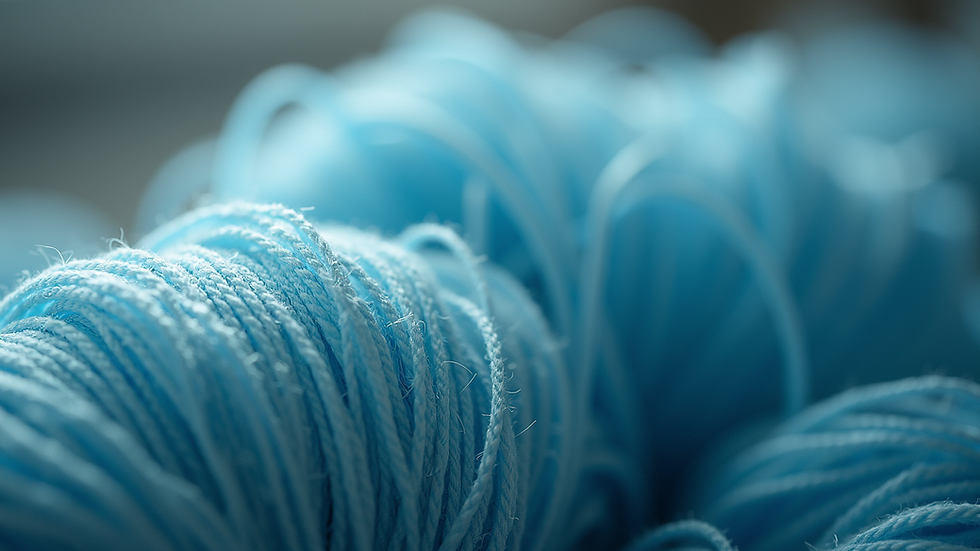
Close-up view of nylon textile yarn fibers showing texture and structure
Advantages of Nylon Textile Yarn in Fabric Production
Nylon textile yarn offers several advantages over natural fibers and other synthetics. These benefits contribute to its widespread use in various textile sectors.
High tensile strength: Nylon yarn can withstand significant stress without breaking. This property is essential for fabrics used in sportswear and outdoor gear.
Elasticity: The yarn stretches and recovers its shape, providing comfort and flexibility in garments.
Abrasion resistance: Nylon resists wear and tear, extending the life of textiles.
Moisture-wicking: It absorbs minimal moisture, helping fabrics dry quickly.
Lightweight: Nylon yarn is lighter than many natural fibers, reducing garment weight.
Color retention: It holds dyes well, resulting in vibrant and long-lasting colors.
These advantages make nylon yarn a versatile material for producing textiles that meet technical and aesthetic requirements.
Applications of Nylon Textile Yarn in the Industry
Nylon textile yarn finds use in a broad range of textile products. Its properties suit both fashion and technical textiles.
Apparel: Nylon yarn is common in activewear, swimwear, hosiery, and lingerie. Its stretch and durability enhance garment performance.
Industrial textiles: It is used in conveyor belts, tire cords, and safety harnesses due to its strength.
Home textiles: Nylon yarn appears in carpets, upholstery, and curtains for its wear resistance.
Outdoor gear: Tents, backpacks, and ropes benefit from nylon’s lightweight and abrasion resistance.
Automotive textiles: Seat covers and airbags incorporate nylon yarn for safety and durability.
The versatility of nylon yarn allows manufacturers to innovate and meet diverse market demands. Its adaptability supports the development of new textile products with enhanced functionality.
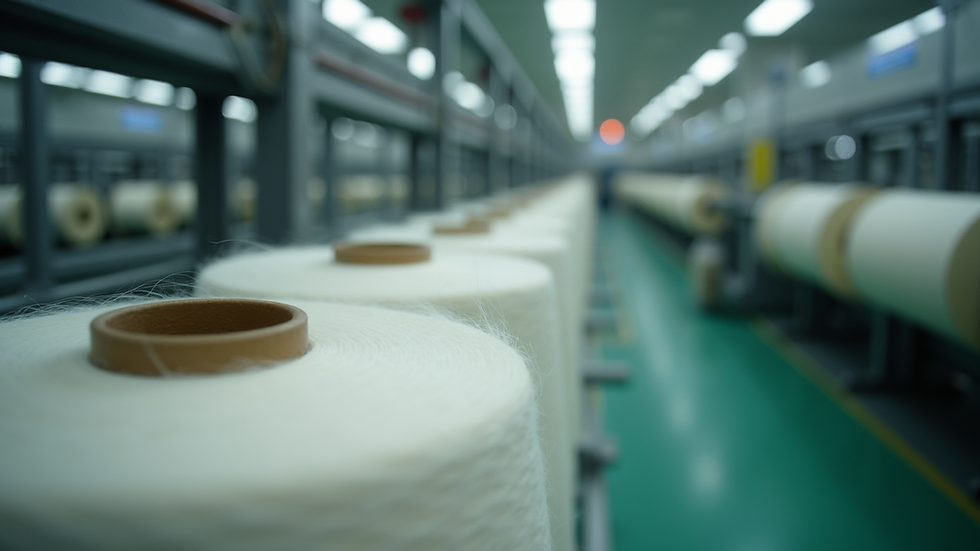
High angle view of nylon yarn spools arranged in a textile factory
Selecting the Right Nylon Yarn for Your Textile Needs
Choosing the appropriate nylon yarn depends on the intended application and performance requirements. Consider the following factors:
Denier and thickness: Thicker yarns provide more strength but less flexibility. Fine yarns offer softness and drape.
Filament type: Nylon yarns can be filament or staple fibers. Filament yarns are smooth and strong, while staple yarns offer a softer texture.
Twist level: The amount of twist affects yarn strength and elasticity.
Blending: Nylon is often blended with other fibers like cotton or spandex to enhance fabric properties.
Finish and treatment: Special coatings or treatments can improve water repellency, UV resistance, or flame retardancy.
Manufacturers should work closely with suppliers to specify yarn characteristics that align with product goals. Testing and quality control ensure the yarn performs as expected in the final textile.
The Role of polyamide in Advancing Textile Innovation
紡織用尼龍紗 plays a pivotal role in driving innovation within the textile industry. This specialized nylon yarn supports the development of high-performance fabrics that meet evolving market demands. Its consistent quality and technical versatility enable manufacturers to create textiles with enhanced durability, comfort, and functionality.
By integrating advanced nylon yarns, brands can expand their product offerings and enter new market segments. The ability to customize yarn properties allows for tailored solutions in sportswear, industrial applications, and beyond. This adaptability positions nylon yarn as a key material in the future of textile manufacturing.
Future Trends in Nylon Textile Yarn Development
The nylon yarn market continues to evolve with technological advancements and sustainability efforts. Key trends include:
Eco-friendly production: Manufacturers focus on reducing environmental impact through recycled nylon and greener processes.
Smart textiles: Nylon yarns integrated with sensors and conductive materials enable wearable technology.
Enhanced durability: Innovations improve resistance to UV, chemicals, and extreme conditions.
Customization: Advanced spinning and finishing techniques allow precise control over yarn properties.
These trends reflect the industry's commitment to meeting global challenges and consumer expectations. Nylon textile yarn remains at the forefront of material innovation, supporting diverse applications worldwide.
Nylon textile yarn offers unmatched performance and versatility for textile manufacturers. Its strength, elasticity, and durability make it indispensable across many sectors. By understanding its properties and applications, manufacturers can leverage nylon yarn to create innovative, high-quality fabrics. The ongoing development of specialized yarns like nylon ensures that nylon will continue to drive progress in the global textile industry.

Comments