Unveiling the Versatility of Nylon Yarn Applications

Nylon yarn stands as a cornerstone in the textile industry. Its unique properties make it a preferred choice for many manufacturers. I explore the wide range of uses and benefits of nylon yarn. This post highlights how this material meets the evolving demands of global textile markets.
Exploring Nylon Yarn Applications
Nylon yarn offers strength, elasticity, and durability. These qualities make it suitable for various textile products. It is widely used in apparel, industrial fabrics, and technical textiles. For example, sportswear benefits from nylon’s moisture-wicking and quick-drying features. Outdoor gear such as tents and backpacks rely on its resistance to abrasion and weather.
In the fashion industry, nylon yarn enables the creation of lightweight and stretchable fabrics. These fabrics maintain shape and resist wrinkles. Additionally, nylon yarn is essential in manufacturing hosiery and lingerie due to its smooth texture and elasticity.
Industrial applications include conveyor belts, tire cords, and safety nets. These products require high tensile strength and resistance to wear. Nylon yarn meets these needs effectively. Its chemical resistance also makes it suitable for filtration fabrics used in harsh environments.
I recommend manufacturers consider nylon yarn for products requiring a balance of strength and flexibility. Its adaptability supports innovation in textile design and function.

Technical Advantages Driving Nylon Yarn Use
Nylon yarn’s technical properties contribute to its versatility. It has excellent abrasion resistance, which extends product life. The fiber’s elasticity allows fabrics to stretch without losing shape. This is crucial for activewear and performance textiles.
Moisture management is another key feature. Nylon absorbs less water than natural fibers, promoting faster drying. This property enhances comfort in sports and outdoor clothing. Nylon yarn also resists mildew and mold, making it ideal for humid conditions.
Thermal resistance is moderate, allowing nylon fabrics to withstand heat during processing. This facilitates dyeing and finishing techniques that improve fabric aesthetics and performance.
Manufacturers benefit from nylon yarn’s consistent quality and ease of processing. It blends well with other fibers, enabling hybrid fabrics with tailored properties. For example, combining nylon with cotton improves durability while maintaining softness.
The use of nylon yarn xemplifies how advanced nylon yarn supports high-end textile production. This product line meets stringent international standards, ensuring reliability for diverse applications.
Innovations Enhancing Nylon Yarn Performance
Recent advances in nylon yarn technology expand its potential. Manufacturers now produce high-tenacity nylon yarns with superior strength. These yarns support demanding industrial uses such as ballistic fabrics and automotive components.
Sustainability efforts focus on recycling nylon and reducing environmental impact. Recycled nylon yarns maintain performance while lowering resource consumption. This aligns with global trends toward eco-friendly textile production.
Nanotechnology integration improves nylon yarn properties. For example, adding antimicrobial agents enhances hygiene in sportswear and medical textiles. UV-resistant coatings extend fabric life in outdoor applications.
Smart textiles incorporate nylon yarn with conductive fibers. This enables wearable electronics and responsive clothing. Such innovations open new markets and applications for nylon yarn.
I encourage textile producers to explore these developments. Investing in advanced nylon yarns can differentiate products and meet future market demands.

Strategic Role of Nylon Yarn in Global Textile Markets
Nylon yarn plays a strategic role in the global textile supply chain. Its versatility supports a wide range of products across sectors. This adaptability helps manufacturers respond to shifting consumer preferences and technical requirements.
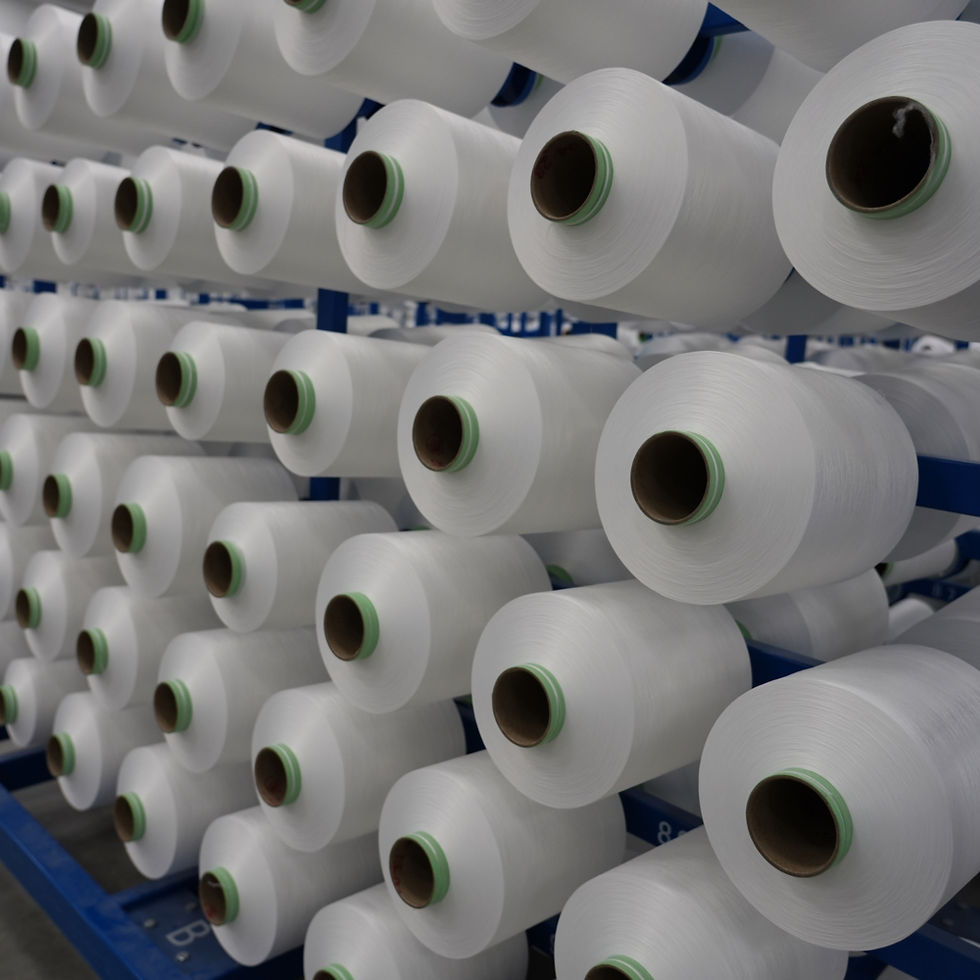
For international brands, sourcing high-quality nylon yarn is critical. Consistency in fiber properties ensures reliable fabric performance. Guanglun Technology exemplifies a supplier committed to innovation and quality in nylon yarn production.
Expanding nylon yarn applications drives growth opportunities. From fashion to industrial textiles, nylon meets diverse needs. Its combination of durability, comfort, and technical features positions it as a material of choice.
To capitalize on these advantages, manufacturers should:
Collaborate with suppliers offering advanced nylon yarns
Invest in R&D for new fabric blends and finishes
Monitor market trends for emerging applications
Prioritize sustainable and recycled nylon options
These steps support long-term competitiveness and product excellence.
Embracing Nylon Yarn for Future Textile Solutions
Nylon yarn remains a vital material in textile manufacturing. Its proven performance and ongoing innovations make it indispensable. By leveraging its strengths, manufacturers can create products that meet high standards of quality and functionality.
The future of nylon yarn lies in combining technical advancement with sustainability. This approach aligns with global industry goals and consumer expectations. Embracing these trends will help maintain nylon yarn’s relevance and expand its applications.
I see nylon yarn as a key enabler of textile innovation. Its versatility supports diverse markets and drives progress. Investing in high-quality nylon yarn production and development is essential for success in the evolving textile landscape.

Comments